Beyond Quick Patches: Training Your Team (or Yourself) for Lasting Rental Property Repairs
The Revolving Door of Repairs: Why Quick Fixes Cost You More
As a property manager, you know the pressure to fix things cheap and fast. But that cheap fix—the bargain-bin faucet, the quick-patch drywall—often means you're back dealing with the same problem a few months later. This isn't just about the cost of a second repair; it's about the cost of your time, the damage to your reputation, and the frustration of your tenants. Focusing on durable, long-lasting repairs isn't a luxury; it's a core business strategy. It cuts down on emergency calls, keeps good tenants from leaving, and protects the actual value of your property. A solid repair shows you're a professional, not a slumlord. It's time to stop patching leaks and start building a maintenance system that actually works.
Foundations of Durability: Core Principles for Long-Term Solutions
To get out of the break-fix cycle, you have to start thinking about how a repair will hold up in three years, not just three months. This means choosing materials and methods designed to handle the heavy wear-and-tear from tenants. Yes, a commercial-grade door handle costs more than the basic residential one, but it won't need replacing after a year of constant use. 'Tenant-proofing' is about making smart, upfront choices that prevent future headaches. Use durable, easy-to-clean paint in a satin or semi-gloss finish. Install simple things like door stoppers to prevent holes in the drywall. Choose robust hardware for cabinets and doors. Every choice should be weighed against the likelihood of it breaking, and the cost and hassle of fixing it later.
Durable Painting Techniques for High-Turnover Rentals
A fresh coat of paint is one of the quickest ways to refresh a rental unit, but without the right approach, it can become a frequent and costly task. To ensure a paint job that lasts, proper preparation is paramount. This includes thoroughly cleaning walls to remove grease and grime, and patching any holes or cracks before painting. When it comes to selecting paint, opting for a mid-grade or premium paint will provide better coverage and durability than budget options. The finish of the paint is also a critical factor. While flat paint can hide imperfections, it's often not very durable. Eggshell and satin finishes offer a good balance of being both washable and aesthetically pleasing, making them ideal for living rooms and bedrooms. For high-traffic areas like kitchens, bathrooms, and hallways, a semi-gloss or gloss finish is recommended due to its superior resistance to moisture and stains, and its ease of cleaning. Choosing neutral colors such as beiges, light grays, or off-whites is a smart strategy as they appeal to a wider range of tenants and make touch-ups less noticeable.
DIY Flooring Repairs That Endure
Flooring in rental properties takes a significant amount of abuse. Choosing the right material from the outset is crucial for long-term durability and ease of maintenance. Luxury vinyl plank (LVP) and luxury vinyl tile (LVT) are excellent choices for rentals as they are water-resistant, scratch-resistant, and can mimic the look of more expensive materials like hardwood. Engineered hardwood is another durable option that offers the classic appeal of wood with added stability. For areas prone to moisture, such as bathrooms and kitchens, ceramic and porcelain tiles are highly recommended due to their exceptional durability and water resistance. While carpet can be a popular choice for bedrooms, it often has a shorter lifespan in a rental setting. If you do opt for carpet, consider using carpet tiles, which allow for the replacement of individual damaged sections rather than the entire floor. Investing in a good quality underpad can also extend the life of the carpet and improve its feel. For minor repairs to existing hard flooring, there are many DIY-friendly products available for patching scratches and replacing damaged planks.
Building a Proactive Maintenance and Training Program
A reactive approach guarantees you're always putting out fires. A proactive system prevents them. Start with a simple, non-negotiable preventative maintenance checklist that your team follows for every property.
**Sample Preventative Maintenance Checklist:**
* **Twice a Year (March & October):** Service HVAC units, clean gutters, check for roof damage.
* **During Every Turnover:** Check all faucets and toilets for leaks, test smoke and CO detectors, inspect grout and caulk in kitchens and bathrooms.
* **Quarterly:** Inspect for pests, check appliance filters, test all GFCI outlets.
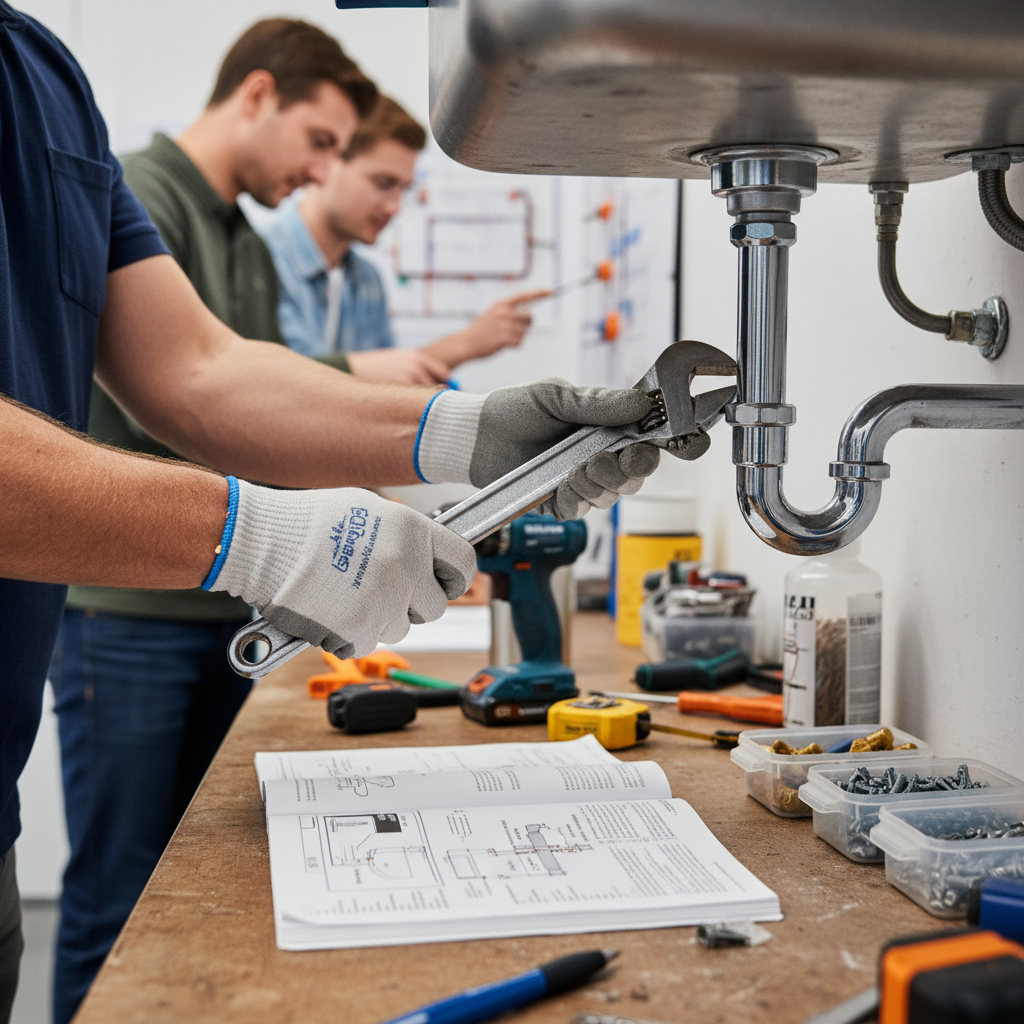
If you have a team, consistent training is what separates professional work from amateur hour. Don't just show them how to do a repair; set clear standards for quality and communication. For example, a new rule could be: 'Train your team to always explain the repair to the tenant in simple terms before they leave.' For DIY landlords, the same principle applies: invest in your own skills. Watch videos, take a local workshop on basic plumbing. Knowing how to properly fix a running toilet yourself is a money-saving superpower.
Fostering a Culture of Quality and Longevity
Forget abstract ideas like 'fostering a culture.' You build a system of quality repairs through concrete actions and clear expectations. If you manage a team, your actions dictate the quality of their work. Here are a few practical ideas:
* **Start a 'Best Fix of the Month' Award:** Recognize a team member who went beyond a quick patch and implemented a smart, long-term solution. A $50 gift card and public praise go a long way.
* **Hold a 15-Minute Weekly Huddle:** Review the toughest repairs from the past week. What worked? What didn't? This isn't for placing blame; it's for sharing knowledge so the whole team gets better.
* **Set Clear, Visual Standards:** Create a shared photo album of what a 'done right' repair looks like. A perfectly caulked tub, a clean paint line, a properly installed faucet. This becomes your playbook for quality.
By investing in durable materials, proper techniques, and ongoing training, you're not just fixing problems – you are building a more resilient and profitable rental business. This commitment to quality will save you money and build a reputation that attracts the best tenants.
Frequently Asked Questions
What are the most cost-effective durable flooring options for rental properties?
Luxury vinyl plank (LVP) and luxury vinyl tile (LVT) are highly recommended for their durability, water resistance, and cost-effectiveness. They come in a wide variety of styles that can mimic more expensive materials like hardwood. Ceramic and porcelain tiles are also excellent, long-lasting options, especially for high-moisture areas like bathrooms and kitchens.
What is the best type of paint finish to use in a rental property?
For most areas in a rental, an eggshell or satin finish is a good choice as it offers a balance of durability and a pleasing aesthetic. In high-traffic areas and rooms with moisture, such as kitchens and bathrooms, a semi-gloss or gloss finish is more durable and easier to clean.
How can I transition from a reactive to a proactive maintenance approach?
Start by creating a comprehensive preventative maintenance checklist and schedule. This should include regular inspections of all major systems, including HVAC, plumbing, and electrical, as well as seasonal tasks like gutter cleaning. Documenting all maintenance activities can help you track the history of repairs and anticipate future needs.
What are some simple 'tenant-proofing' measures I can take?
Simple measures can make a big difference. Install door stoppers to prevent wall damage. Use high-quality, durable hardware on doors and cabinets. Choose flooring and paint finishes that are easy to clean and can withstand wear and tear. Consider providing clear instructions to tenants on the care and use of appliances and fixtures to prevent misuse.