Can Your HOA Ban Your Airbnb? Understanding the Rules
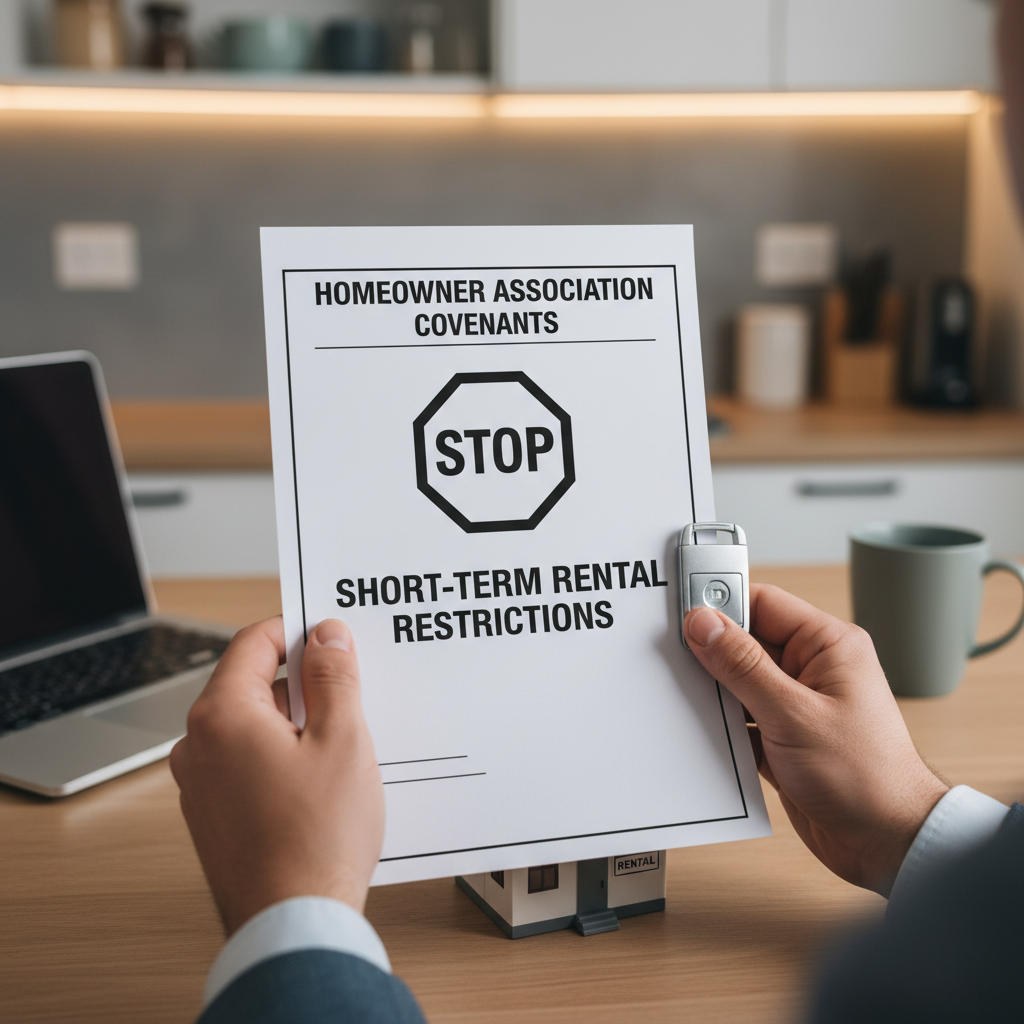
Thinking of Hosting in an HOA? Read This First.
So, you're thinking about listing your place on Airbnb or Vrbo? Awesome. It's a fantastic way to earn extra cash and meet new people. But if you live in a community with a Homeowners' Association (HOA), hold on a second. Before you snap a single photo or write your listing description, there's a crucial first step: figuring out the rules. HOAs exist to keep the neighborhood looking good and running smoothly, and sometimes, a steady stream of new faces from short-term rentals can feel like a disruption to them. Many are putting their foot down with rules that can seriously impact your hosting plans. Let's walk through how to figure this out *before* you get a nastygram from the board.
How to Find Your HOA's Real Rules on Rentals
Alright, time to do a little digging. Your HOA's official rules are hiding in what are called the 'governing documents.' Sounds intimidating, but it's just a stack of papers you probably got when you bought your home. You're looking for two main things: the CC&Rs (Covenants, Conditions, and Restrictions) and the bylaws. The CC&Rs are the big ones—they lay out what you can and can't do with your property. The bylaws are more about how the HOA itself operates. You'll want to really dig into these documents, maybe over a cup of coffee. If the language is super confusing (and it often is), don't just guess. Shoot a quick, friendly email to your HOA board or property manager and ask for clarification in writing. Trust me, figuring it out now beats getting a fine later.
What Kind of Rental Rules Do HOAs Usually Have?
HOA rules for rentals aren't all the same, but you'll start to see some common themes. One of the most popular is a 'minimum lease term.' They might say any rental has to be for 30 days or more, which knocks out weekend or weekly stays. Some HOAs just have a flat-out ban on all short-term rentals. Period. Others try to find a middle ground with 'rental caps,' meaning only a certain percentage of homes in the neighborhood can be rented out at one time. You might also find rules that require you to register your property as a rental, get your lease agreements approved, or even screen your guests. And don't forget the everyday stuff—they'll definitely have rules about noise, parking, and how your guests can use the pool or gym.
Can They Really Ban You From Hosting?
This is the big question, right? Can your HOA legally stop you from listing your home on Airbnb? In most places, the answer is a frustrating 'yes,' as long as the rule is officially in the governing documents. Courts tend to side with HOAs if the rule is seen as protecting the community's residential feel. For a rule to be rock-solid, it usually has to be in the CC&Rs. If your HOA wants to add a new ban, they can't just decide it in a meeting. They have to follow a formal process to amend the documents, which almost always means the homeowners have to vote on it. Keep in mind that your city or state might have its own laws about this, too, so it's smart to be aware of the whole picture.
Your Game Plan if Your HOA Restricts Rentals
Okay, so you did your homework and found out your HOA has some tough rules. Don't panic, and definitely don't just ignore them. That's a fast track to fines and legal headaches. Your first move is to get crystal clear on what's allowed. If the rules seem a bit fuzzy, ask for specifics. Going to HOA meetings is also a great way to stay in the loop on any potential changes. If short-term stays are a no-go, maybe you could pivot to longer-term rentals of 30 days or more to meet the minimum lease requirement. Another path? Get involved! Join the board or a committee and advocate for a rule change. If you truly believe a rule is unfair or isn't being enforced correctly, you might want to chat with a lawyer who specializes in HOA issues to understand your options.
A Quick Warning: Don't Just 'Wait and See'
Look, I know it's tempting to just list your place quietly and hope for the best. 'Maybe no one will notice,' right? It's a risky move. Many HOAs have board members or neighbors who actively scroll through Airbnb and Vrbo looking for rule-breakers in their own community. Just putting up the listing can be enough to trigger a violation notice. The consequences can escalate fast. It usually starts with a warning letter, but then come the fines—and they can be brutal, sometimes charging you for every single day your listing is active. It's a headache you just don't need. Your guests could also accidentally break other rules, and you're the one on the hook. It's just not worth the stress and the potential financial hit.
Frequently Asked Questions
Can my HOA change the rules to ban short-term rentals after I've already purchased my property?
Yes, an HOA can amend its governing documents to restrict or ban short-term rentals. However, for the new rule to be enforceable, the HOA must follow the proper amendment procedures outlined in its CC&Rs and state law, which typically requires a vote of the homeowners. In some states, like California, new rental restrictions may not apply to owners who purchased their property before the rule was adopted unless they consent to the change.
What if my HOA's documents are silent on the issue of short-term rentals?
If your HOA's governing documents do not explicitly address short-term rentals, it's a gray area. Some HOAs may argue that short-term rentals constitute a commercial use of the property, which is often prohibited in residential communities. However, courts in some states have ruled that general 'residential use' clauses are not sufficient to ban short-term rentals. In this situation, it is highly advisable to seek written clarification from your HOA board before proceeding.
Do I still have to follow my HOA's rules if my city or state allows short-term rentals?
Yes, in most cases, you must comply with both your HOA's rules and local and state regulations. HOA governing documents are a private contract between you and the association, and they can be more restrictive than local laws. However, there are instances where state laws can override HOA restrictions, so it is important to be aware of the laws in your specific location.